Additional Resources:
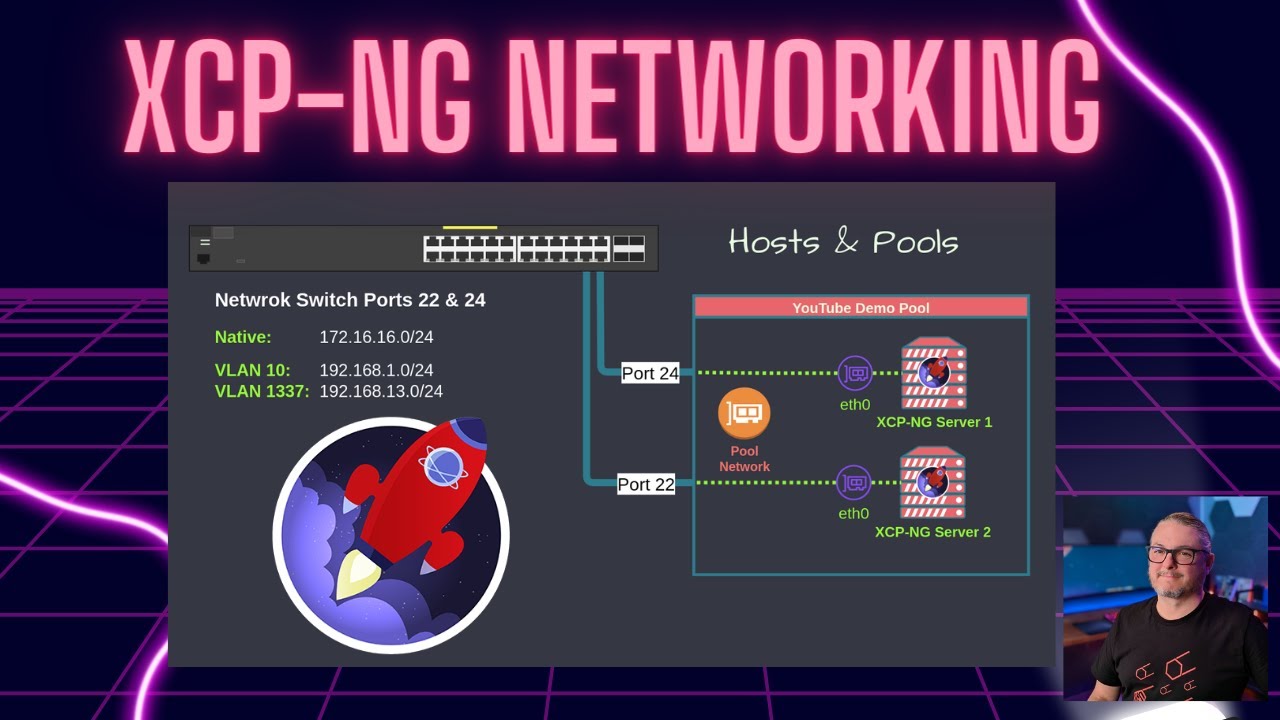
XCP-ng Networking Explained
iSCSI VS NFS
ZFS is a COW
Connecting With Us
- Hire Us For A Project: Hire Us – Lawrence Systems
- Tom Twitter
 https://twitter.com/TomLawrenceTech
 - Our Web Site https://www.lawrencesystems.com/
- Our Forums https://forums.lawrencesystems.com/
- Instagram https://www.instagram.com/lawrencesystems/
- Facebook https://www.facebook.com/Lawrencesystems/
- GitHub lawrencesystems (Lawrence Systems) · GitHub
- Discord Lawrence Systems
Lawrence Systems Shirts and Swag
AFFILIATES & REFERRAL LINKS
Amazon Affiliate Store
 Lawrence Systems's Amazon Page
UniFi Affiliate Link
Ubiquiti Store
All Of Our Affiliates that help us out and can get you discounts!
Partners We Love – Lawrence Systems
Gear we use on Kit
Kit
Use OfferCode LTSERVICES to get 10% off your order at
Tech Supply Direct - Premium Refurbished Servers & Workstations at Unbeatable Prices
Digital Ocean Offer Code
DigitalOcean: AI-Powered Unified Inference Cloud Infrastructure
HostiFi UniFi Cloud Hosting Service
HostiFi - Fast and Reliable UniFi in the Cloud
Protect you privacy with a VPN from Private Internet Access
https://www.privateinternetaccess.com/pages/buy-vpn/LRNSYS
Patreon
 https://www.patreon.com/lawrencesystems
Chapters
00:00 TrueNAS NFS Share for XCP-ng
01:49 Creating Dataset, Permissions and NFS Share
03:00 Add NFS Shared Storage in XCP-ng
03:45 ZFS and SYNC risks
06:14 NFS and IP Security
07:02 Speed Difference with SYNC
08:44 NFS and Dedicated Storage Network