September 2026 video based on this forum post.
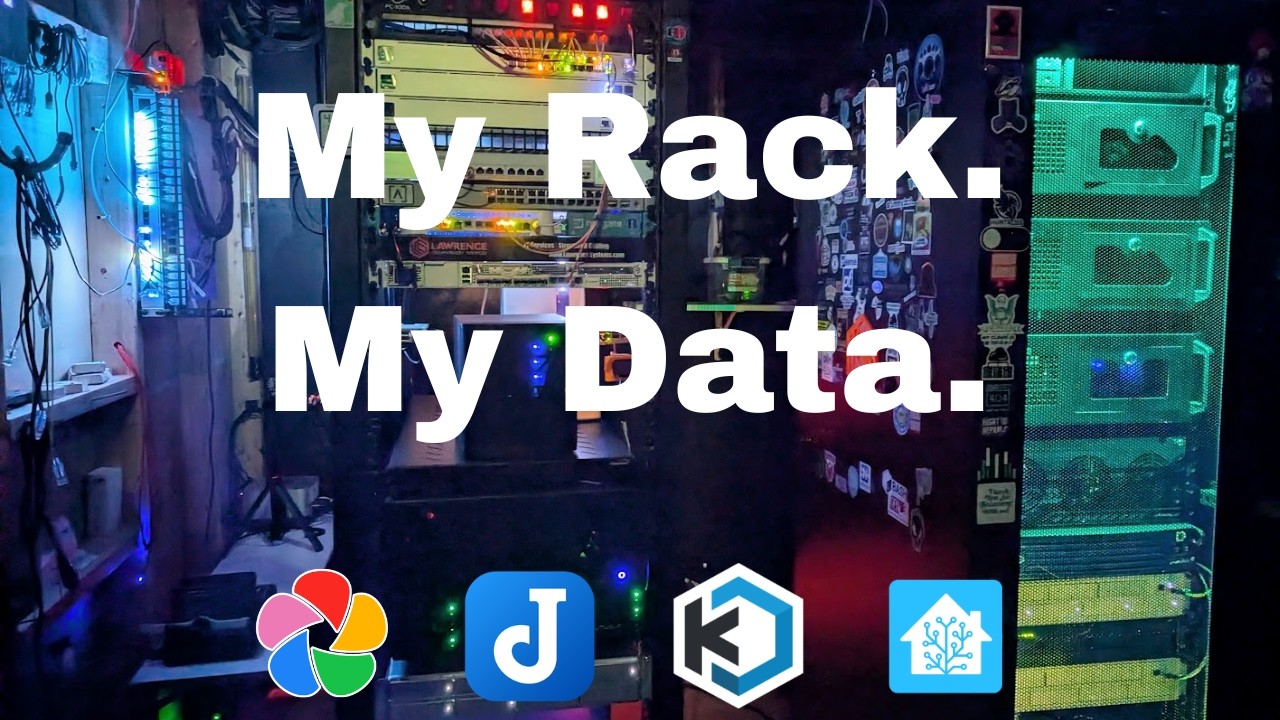
This video covers most of the apps I was hosting in March of 2026
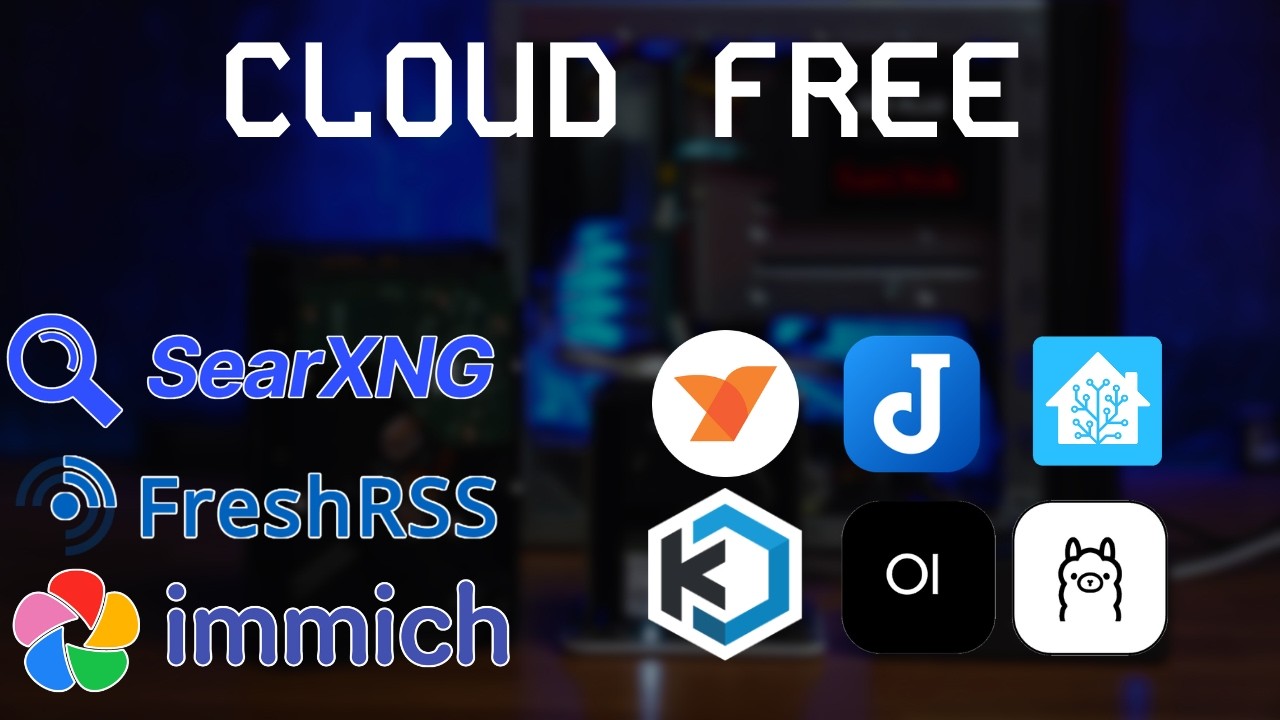
And this is the forum post related to that video.
This is accurate as of September 2026.
Hypervisors and Storage
- XCP-ng: Virtualization platform based on Xen, with a full management stack for hosting and running virtual machines.
- Proxmox VE: Open source virtualization platform combining the KVM hypervisor and LXC containers behind a single web interface.
- PVE-UPS: Simple web based tool that handles graceful shutdown of standalone Proxmox VE hosts on a power outage. It runs as an unprivileged LXC or docker, polls the UPS over SNMP or NUT, and triggers the shutdown through a Proxmox API token scoped to Sys.PowerMgmt rather than root SSH or a host agent. No USB or serial support.
- TrueNAS: Open source network-attached storage operating system developed by iXsystems, built on OpenZFS.
- Docker: Container runtime that most of the applications below run on top of.
Networking and Remote Access
- UniFi Dream Machine Beast (UDM-Beast): Rack mount UniFi Cloud Gateway running the full UniFi application suite. These are the routers here.
- Nginx Proxy Manager: Pre-built Docker image providing a web interface for managing Nginx reverse proxies and Let’s Encrypt certificates.
- NetBird: Zero trust overlay network built on WireGuard that connects devices without opening firewall ports.
- Apache Guacamole: Clientless remote desktop gateway. It serves RDP, VNC, and SSH sessions through a browser, so no client software is needed on the machine you are connecting from.
- RustDesk: Remote desktop application designed for self-hosting, so connections do not depend on third party relay servers.
Security and Monitoring
- UniFi Protect: Camera security system that records locally with no subscription. It can use the cloud but does not require it.
- Graylog: Centralized log management and SIEM platform for collecting, indexing, parsing, and analyzing structured and unstructured data.
- Netdata: Real time infrastructure monitoring with per-second metrics and automatic detection of what is running on a host.
- NetAlertX: Network visibility and asset discovery. It scans on a schedule, builds an inventory of what is connected, and alerts you when something shows up that was not there before.
- SO-CRATES: Standalone web application for analyzing pcap, log, and binary files. Suricata handles the network side, YARA scans binaries, and Sigma rules cover the logs, all behind a single page UI for alerts, metadata, transcripts, and hexdumps. From Doug Burks, who also created Security Onion.
- Kasm Workspaces: Container streaming platform that provides disposable browser and desktop sessions, keeping the primary OS isolated from whatever you are browsing.
Documents, Files, and Photos
- Paperless-ngx: Document management system that ingests scans and PDFs, runs OCR, and tags and indexes everything so it is full-text searchable. It turns the filing cabinet into something you can actually query.
- Syncthing: Continuous file synchronization between devices over peer to peer encrypted connections.
- Immich: Photo and video backup and management, with local AI powered facial recognition and organization.
- Joplin: Open source note taking and to-do application with end to end encryption that syncs to your own storage.
Information and AI
- FreshRSS: Self-hostable RSS aggregator for following news and blogs without a centralized platform or algorithm in the middle.
- SearXNG: Privacy respecting metasearch engine that aggregates results from other search services while stripping tracking data and cookies.
- OpenWebUI + Ollama: A pairing that runs large language models entirely on local hardware.
Home and Garage
- Home Assistant: Open source home automation platform built around local control, so smart home data stays on your network.
- LubeLogger: Self-hosted, open source, unconventionally named vehicle maintenance and fuel mileage tracker.
Management and Tools
- Homarr: Dashboard and landing page for everything else on this list, with integrations that pull live status from the services it links to. Drag and drop configuration, no YAML.
- Dockhand: Docker management application with real time container management.
- IT-Tools: Collection of developer utilities such as formatters and decoders, run locally so sensitive code and data stay in house. Linked repo is the actively maintained sharevb fork.